
5 Critical Mistakes Rock & Metal Bands Make Before Entering the Recording Studio


Let’s be honest: walking into a professional recording studio is one of the most exciting moments in your band’s career—but without proper preparation, it can quickly become a stressful, budget-draining nightmare.
Every producer has watched it happen: a killer band saves up their hard-earned money, books a block of studio time, and then wastes the first four hours arguing over song tempos, untangling ratty cables, or fighting to tune a drum kit with dead heads.
In the studio, time is literally money, and every minute you spend fixing basic gear issues or finalising an arrangement is a minute stolen from capturing a massive, heavy take. If you want your next session to be fast, efficient, and to deliver a world-class record that stands toe-to-toe with your favourite commercial releases, stop guessing and start prepping.

Step 1: Assuming You Can "Just Wing It" Without a Metronome
If your band hasn’t practised your tracks strictly to a click or metronome before tracking, the studio environment will expose every single flaw in your timing. Many rock and metal acts rely heavily on "room feel" during live rehearsals, which often means the drummer pushes the tempo during the chorus and the bass player drags during heavy breakdowns. This might pass in a sweaty club; a studio microphone is completely unforgiving.
Trying to track a modern, aggressive song without a unified grid makes editing, sample-replacing drums, and aligning tight double-tracked guitars almost impossible. Don't wait until the red recording light is on to find out your drummer can't hold a steady 140 BPM. Spend the weeks leading up to your session running your set to a click track until it feels like second nature.
Step 2: Debating Song Arrangements While the Recording Studio Clock is Ticking
The worst place to decide how long a guitar solo should be or how many choruses a song needs is on the recording studio couch while paying an engineer by the hour. When arrangements aren't locked down in pre-production, sessions stall out fast. Suddenly, a tracking day turns into a band meeting filled with arguments over song structures, vocal harmonies, and tempo changes.
To prevent this, record rough phone song demos during rehearsals well in advance. Listen back critically as a unit and finalise the layout of every single bar. When everyone walks through the studio doors knowing exactly what notes they are playing and when to play them, tracking becomes an effortless assembly line instead of a creative roadblock.
Step 3: Falling into the Dead Strings and Worn-Out Drum Head Trap
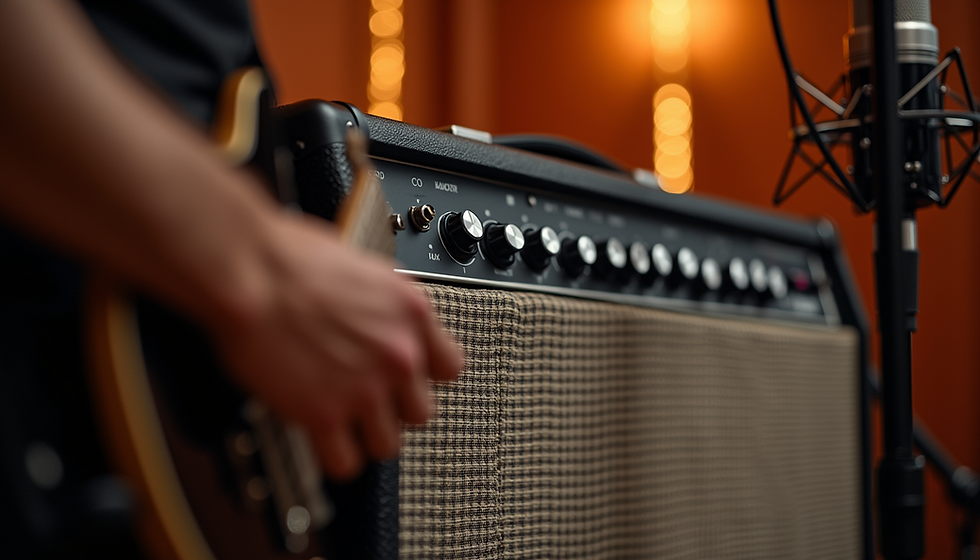
Showing up to a professional tracking session with ancient guitar strings or severely pitted drum heads is the fastest way to make an expensive studio setup sound cheap. You can use the most legendary high-gain tube amplifiers or a pristine custom drum kit, but if the source material is dull and lifeless, your final mix will be too.
Old guitar and bass strings lose their top-end bite, making low-tuned riffs sound muddy and indistinct. Similarly, worn-out drum batter heads lose their resonance, snap, and tuning stability under heavy hitting. Do yourself and your producer a massive favour: change your guitar strings before tracking, and ensure your drummer puts fresh heads on the snare and toms a couple of days prior so they have time to stretch and settle.
Step 4: Treating Your Vocals as an Afterthought
To avoid recording studio mistakes
Many vocalists assume they can scream and sing for eight hours straight without any physical preparation, only to blow out their voice by lunchtime on day one. Your vocal cords are delicate muscles, and tracking an aggressive rock or metal record demands extreme physical stamina.
If you haven't built up your vocal endurance in the weeks leading up to the session, throat fatigue will quickly cause your takes to sound thin, strained, or completely out of tune. Worse yet, consuming thick dairy products right before tracking or failing to use proper warm-up techniques will result in sticky throat saliva that destroys your microphone clarity. Treat your throat like an elite instrument: warm up properly, stay hydrated with room-temperature water, and protect your voice in the days preceding the session.
Step 5: The "No Spare Gear" Emergency That Stalls the Session
Nothing kills the creative momentum of a tracking session faster than having to pause everything because a guitarist snapped their last set of strings or a pedal battery died. When bands pack for the studio, they often bring just their main instruments and assume nothing will go wrong. But under the intense pressure of tracking, gear fails.
A crackling cable, a missing drum tuning key, an active pickup battery running out of juice, or running out of picks can bring a productive session to a grinding halt while someone drives to the nearest music shop. Don’t risk it. Pack a dedicated backup guitar, double the amount of extra string sets you think you’ll need, throw in a fresh pack of 9V batteries, and bring a handful of spare cables. It is always better to have it and not need it than to watch your studio budget burn while sitting on the couch.
Conclusion: Nail Your Session on Day One
Entering the recording studio shouldn't be an overwhelming guessing game. By taking control of your gear, locking down your arrangements, and prepping your body before the red light turns on, you guarantee that every single pound of your studio investment goes toward tracking a massive, legendary record. You won't be making these 5 recording studio mistakes!
Comments